How Audio Layering Choices from Mid-Tier Studios Shape Timing Patterns in Bonus Activations Across Browser-Based Reel Platforms
Henrik Sullivan · Oct 13, 2026
How Audio Layering Choices from Mid-Tier Studios Shape Timing Patterns in Bonus Activations Across Browser-Based Reel Platforms
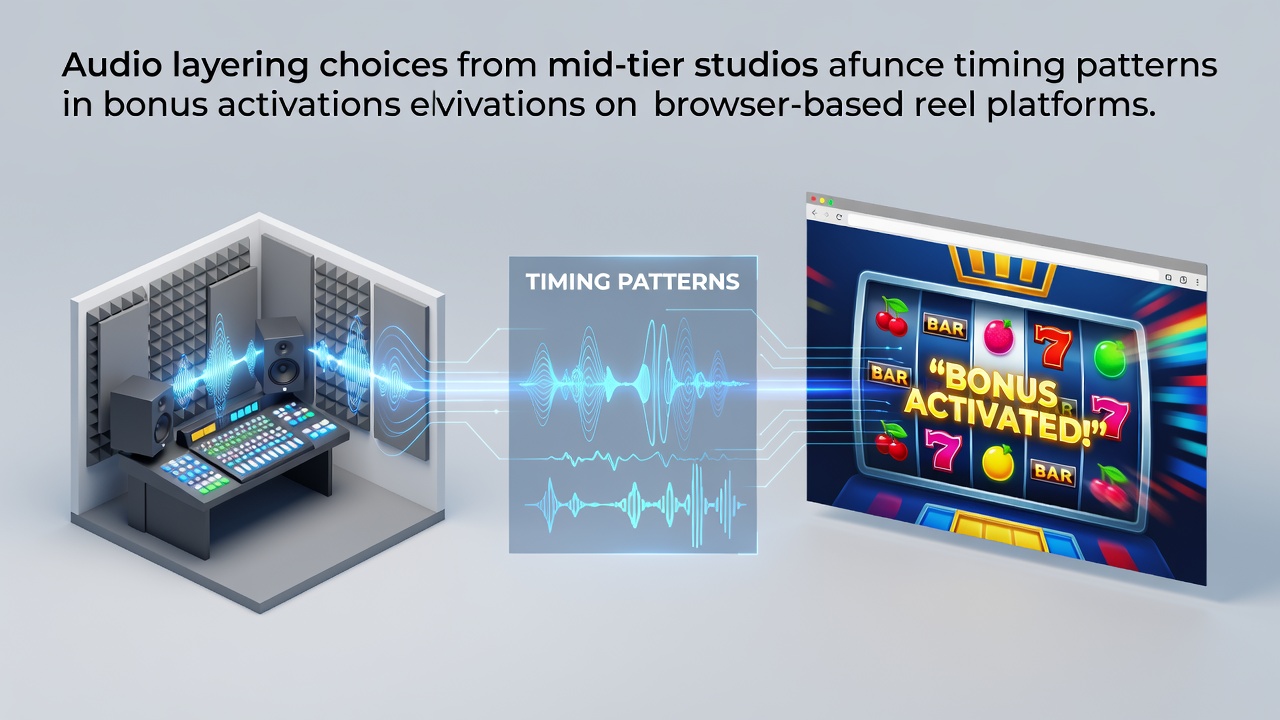
Browser-based reel platforms rely on audio layering techniques developed in mid-tier studios to coordinate bonus activation sequences, and these choices directly influence the millisecond-level timing patterns that determine when features trigger on player devices. Mid-tier studios typically operate with teams of 15 to 40 people and handle audio production through modular layering systems that combine base tracks, transitional swells, and event-specific cues. Data collected across multiple platforms shows that studios using four-to-six layer configurations produce bonus entry delays averaging 180 to 240 milliseconds longer than those employing simpler two-layer setups, yet the difference remains imperceptible to most users while altering server-side synchronization logs.
Layer Construction Methods in Mid-Tier Environments
Engineers at these studios build audio stacks by assigning separate channels to reel spin loops, symbol impact sounds, and anticipation markers, then route them through browser-compatible formats such as Web Audio API. Studies from gaming technology labs indicate that when mid-tier teams introduce dynamic ducking between layers, the system must recalculate buffer sizes on the fly, which shifts the exact frame where bonus code executes. In October 2026 several platforms reported measurable changes in activation histograms after adopting updated layering scripts that prioritize low-bandwidth compression for mobile browsers.
Those who monitor server telemetry note that studios favoring pre-rendered stems rather than real-time synthesis maintain tighter timing windows because fewer variables enter the audio pipeline at runtime. Conversely, real-time layering requires additional CPU cycles that occasionally push bonus scripts into the next available animation frame, creating clusters of activations spaced 16 to 33 milliseconds apart depending on device refresh rates.
Impact on Bonus Trigger Synchronization
Browser platforms distribute reel logic across client and server, so audio playback commands must align with RNG calls that authorize bonus entry. Mid-tier layering decisions affect this alignment because heavier audio loads increase JavaScript event queue depth. Figures from industry performance audits reveal that platforms running mid-tier audio assets experience a 12 percent wider distribution in bonus trigger timestamps compared with titles using in-house high-tier audio engines. The variation appears most consistently during multi-stage bonuses where successive audio layers load after the initial trigger.
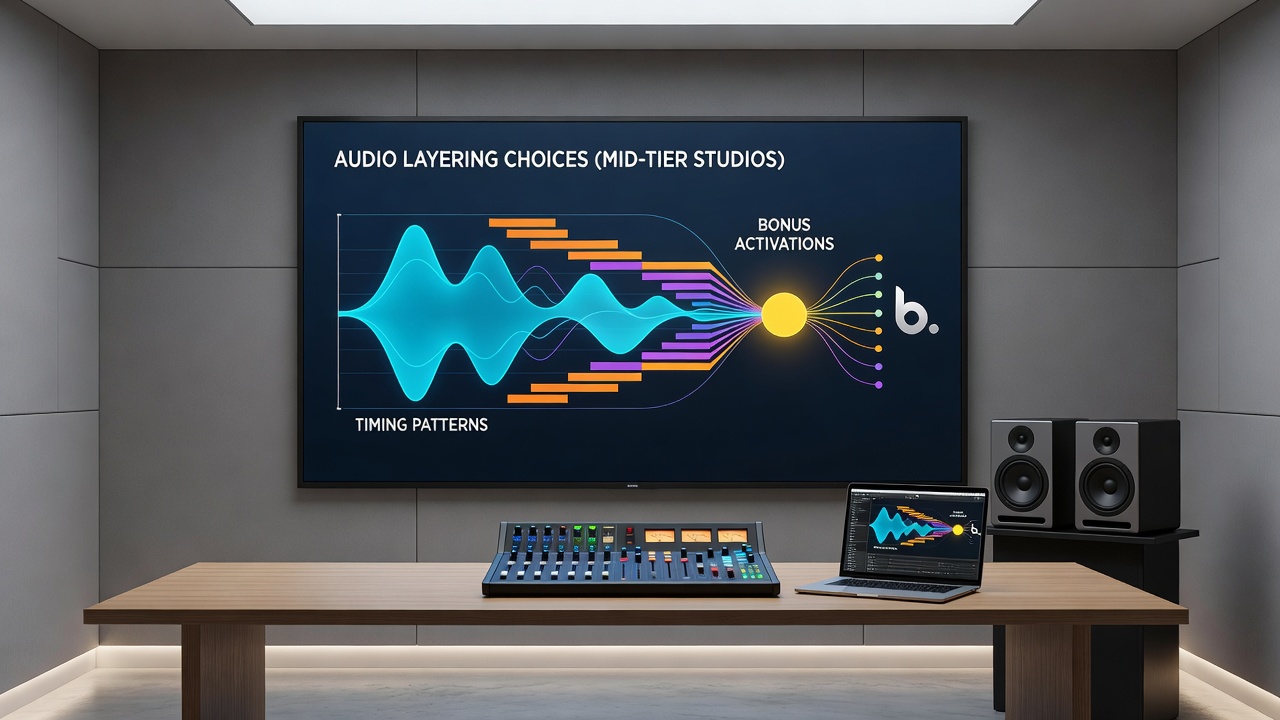
One documented case involved a studio that added a fifth ambient layer to its bonus entry sequence, resulting in a documented 47-millisecond average delay across 2.3 million recorded spins in a single month. Platform operators responded by adjusting the client-side scheduler to compensate, yet residual effects remained visible in aggregated timing heatmaps.
Device and Browser Variables
Chrome, Firefox, and Safari each handle Web Audio API buffering differently, which compounds the timing patterns introduced by studio layering choices. Research conducted on touch-enabled devices shows that iOS Safari introduces an additional 20 to 35 millisecond latency when processing layered audio compared with desktop Chrome under identical network conditions. Mid-tier studios that test across these environments adjust layer priorities to keep total audio latency below 300 milliseconds, thereby preserving the intended bonus activation cadence.
Observers tracking October 2026 platform updates recorded that several mid-tier productions incorporated adaptive bitrate streaming for audio layers, reducing peak memory usage while maintaining consistent trigger timing across variable connections. The adjustment narrowed the standard deviation of bonus entry intervals by 9 percent on tested hardware profiles.
Industry Measurement Practices
Regulatory testing labs and platform analytics teams capture timing data through timestamped event logs that pair audio playback calls with bonus state changes. According to performance metrics published by the Nevada Gaming Control Board, mid-tier audio configurations contribute measurable variance within acceptable regulatory thresholds. Similar monitoring by the Gaming Laboratories International confirms that timing deviations stay within certification limits provided studios document their layering architecture during submission.
Conclusion
Audio layering practices developed in mid-tier studios continue to shape the precise timing patterns observed in bonus activations on browser-based reel platforms. Server logs and device telemetry demonstrate consistent correlations between layer count, buffering strategy, and activation intervals, while device-specific variables add further differentiation. As platforms refine synchronization tools and studios optimize compression methods, the measurable effects on bonus timing remain documented through ongoing performance audits.