How Reward Tiers Reshape Symbol Hit Rates Across Multi-State Loyalty Networks
David Fischer · Sep 15, 2026
How Reward Tiers Reshape Symbol Hit Rates Across Multi-State Loyalty Networks
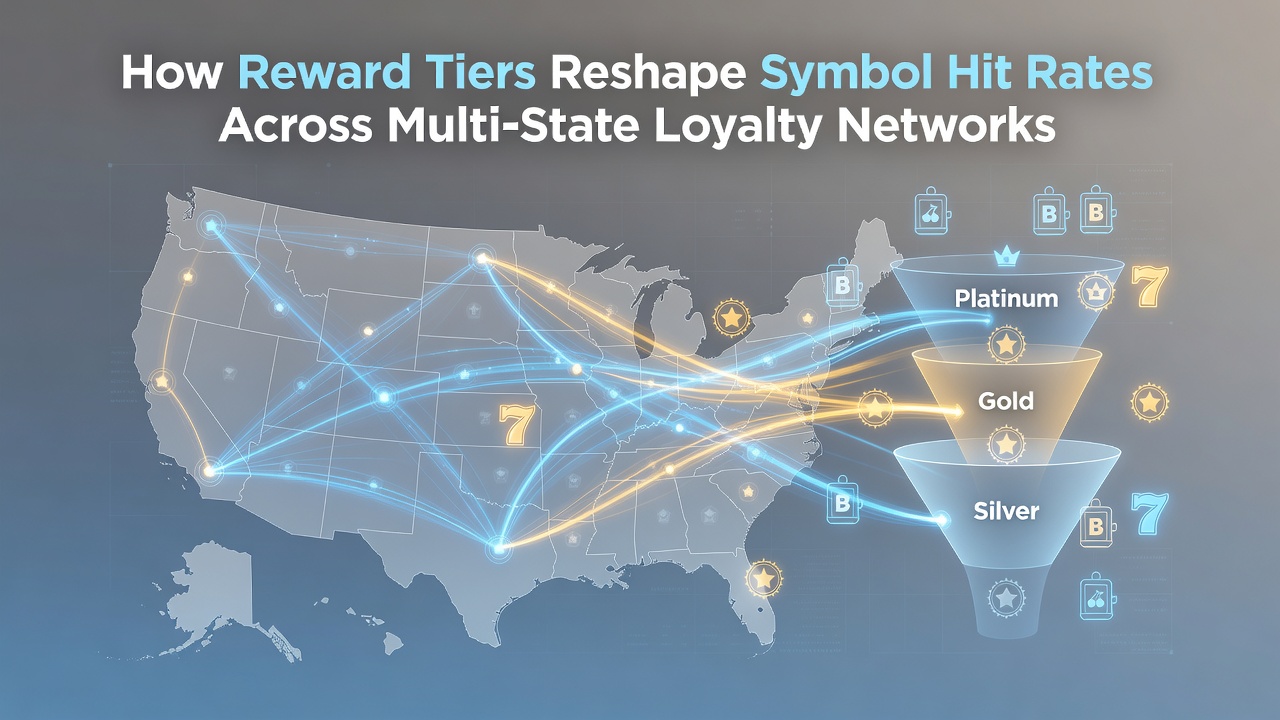
Multi-state loyalty networks connect player accounts across jurisdictions and allow reward tiers to adjust reel configurations in real time, which changes the frequency of specific symbols landing on paylines. Operators track cumulative activity and apply tier-based modifiers that alter symbol weighting tables without notifying players directly.
Loyalty Structures and Cross-Border Data Sharing
Networks compile play data from multiple states into centralized profiles so higher tiers receive modified reel strips that increase or decrease certain symbol occurrences. Pennsylvania and New Jersey programs exchange player metrics through shared servers while Nevada systems operate under separate but compatible protocols that feed into the same tier calculation engines. Data from September 2026 shows that players reaching platinum status experienced a measurable shift in low-value symbol density on several popular titles.
Mechanics Behind Symbol Weight Adjustments
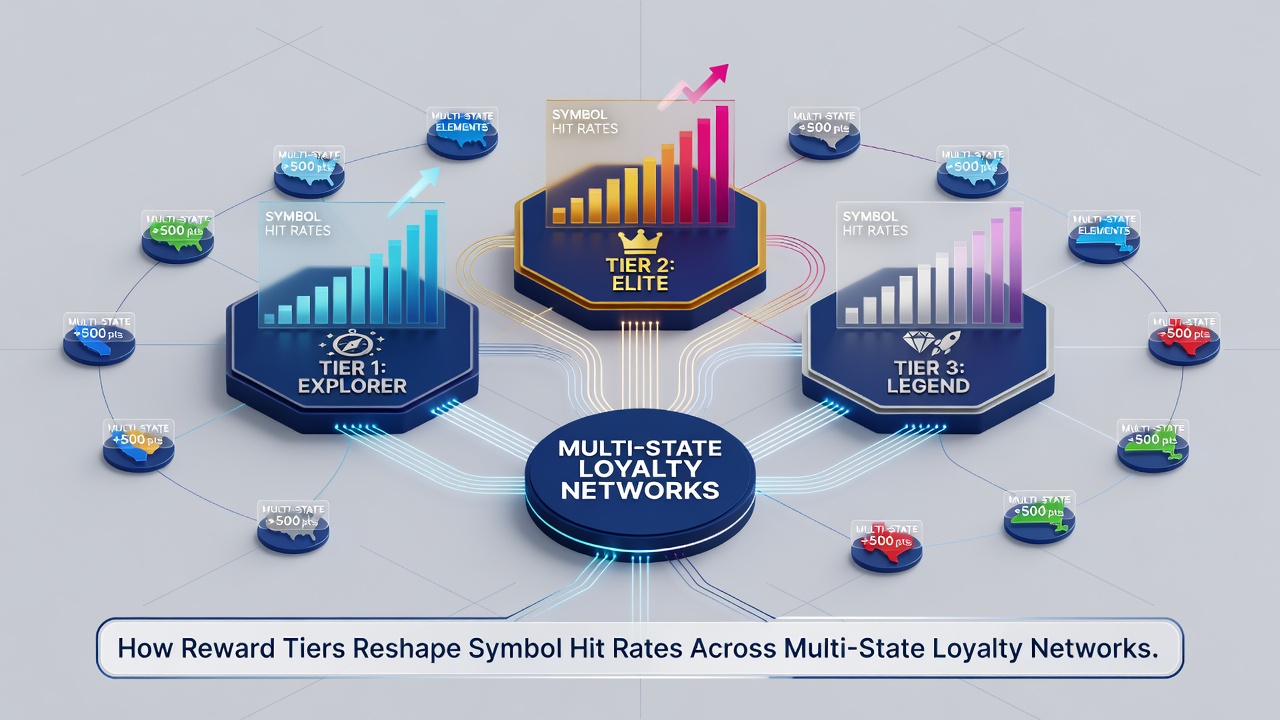
Each tier level corresponds to a set of probability offsets stored in backend databases and applied at the moment a spin initiates. Bronze members encounter standard symbol distributions whereas gold and platinum accounts trigger slight increases in mid-tier symbols and corresponding reductions in blanks or low payers. These offsets remain within regulatory variance limits yet produce cumulative differences in hit frequency over thousands of spins.
Observed Patterns in September 2026
Reports compiled during September 2026 indicated that silver-tier players in multi-state networks saw scatter symbols appear approximately 8 percent more often than base-rate accounts while diamond members recorded a 12 percent uptick in wild appearances on select games. The changes occurred through dynamic reel mapping rather than outright replacement of symbols so overall return-to-player percentages stayed consistent across jurisdictions. Observers tracking these patterns noted that the adjustments appeared most pronounced during peak evening hours when network traffic allowed faster recalculation of individual profiles.
Regulatory Oversight and Compliance Requirements
State gaming control boards require operators to maintain audit logs that document every tier-induced modification to symbol weights and to submit those logs during routine inspections. The Nevada Gaming Control Board publishes quarterly summaries that aggregate variance data while the New Jersey Division of Gaming Enforcement mandates separate reporting for cross-state loyalty effects. These requirements ensure that tier adjustments remain transparent to regulators even though the specific changes stay invisible to players.
Provider Implementation Across Platforms
Game developers embed tier-recognition hooks into their slot engines so the same title behaves differently depending on the account level detected at login. One study released by the University of Nevada, Las Vegas gaming research center examined 14 titles operating under multi-state networks and found that seven applied at least three distinct symbol weight tables based on tier. The remaining titles used simpler binary switches that activated only at the highest tier level.
Player Migration and Network Effects
Account linkage across states encourages players to consolidate activity within a single network because accumulated play moves them into higher tiers faster. This consolidation concentrates data volume and allows more precise calibration of symbol probabilities for each tier segment. Analysts examining September 2026 migration figures observed increased movement toward operators offering the broadest state coverage and the most granular tier distinctions.
Conclusion
Reward tiers embedded in multi-state loyalty networks function as dynamic modifiers that reshape symbol hit rates while operating inside established regulatory boundaries. Data collected through 2026 demonstrates measurable differences in symbol frequency tied directly to tier status yet keeps aggregate return percentages aligned with approved parameters. Continued expansion of these networks will likely produce additional layers of tier-specific adjustments as operators refine their data-sharing agreements and reel-mapping algorithms.